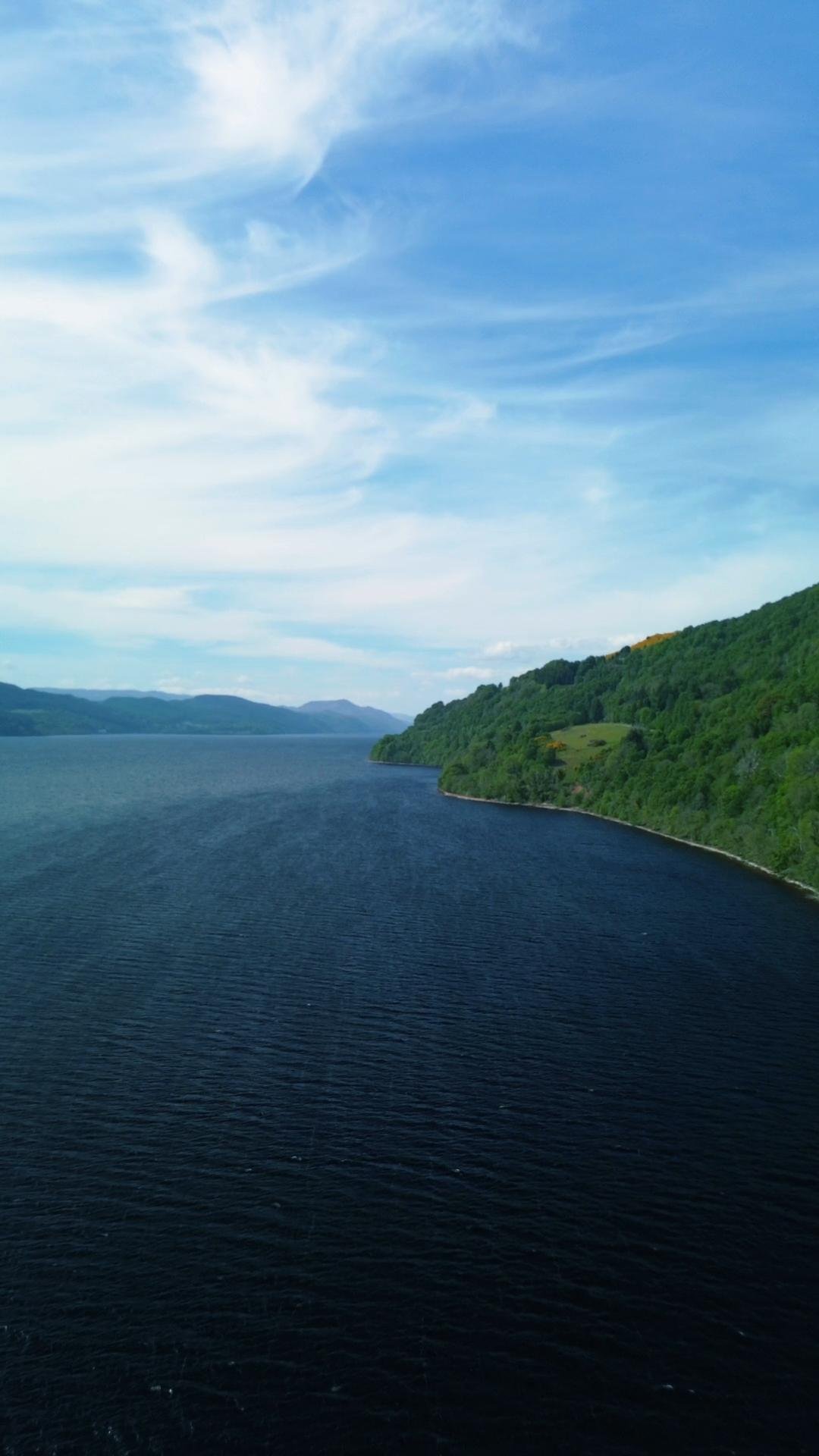
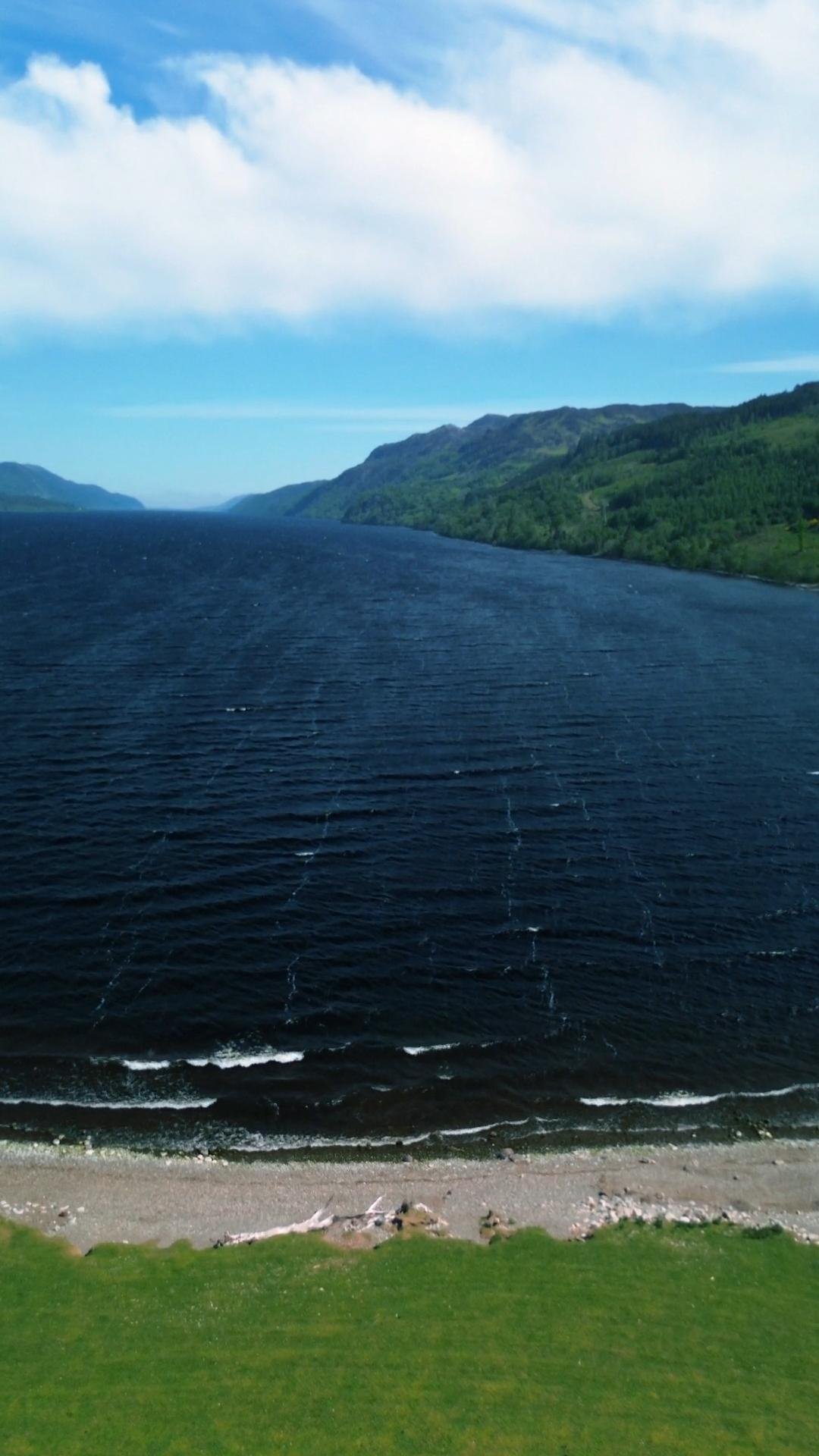
Loch Ness is one of the most atmospheric lochs in Scotland, stretching through the heart of the Highlands in a long, narrow ribbon of deep water. Surrounded by steep hills and forested slopes, it offers dramatic views and a sense of timeless Highland wilderness.
Loch Ness forms part of the Great Glen, a natural geological fault line that cuts across Scotland from coast to coast. This gives the loch its long, straight shape and creates a landscape where steep hillsides rise sharply from the water. It is a place where the weather changes quickly, casting shifting light and shadow across the glen.
The route along the loch is popular with travellers driving between Inverness and Fort William. Scenic lay-bys and viewpoints line the road, offering easy stops for photographs or a quiet moment beside the water. The calm stretches and sudden wide views across the open water make this one of the most rewarding drives in the Highlands.
Small villages such as Drumnadrochit and Fort Augustus add a welcoming touch to the remote setting. They offer cafés, visitor centres and boat tours for anyone wanting to explore the loch from the water. Whether you are on a short day trip or a longer Highlands journey, Loch Ness always feels unique — shaped by weather, season and the atmosphere of the surrounding landscape.
Several free and paid car parks are available around the loch, depending on the viewpoint.
Usually 1–10 minutes depending on the chosen viewpoint or stopping place.
⭐☆☆☆☆ (Easy). Most roadside viewpoints require only a short, straightforward walk.
Yes. Many viewpoints are easy to reach, but children should always be supervised near the water and roadside areas.
• Loch Ness is over 23 miles long, making it one of the longest bodies of freshwater in the UK.
• It contains more water than all the lakes in England and Wales combined.
• The loch reaches depths of over 750 feet, with very low visibility due to peat in the water.
• The Great Glen Fault, which formed Loch Ness, is millions of years old.
Loch Ness can be very busy in summer — early mornings offer quieter views and easier parking.

 Parking
 Walk distance
 Difficulty
 Family-friendly

 Fun Facts
 Notes